
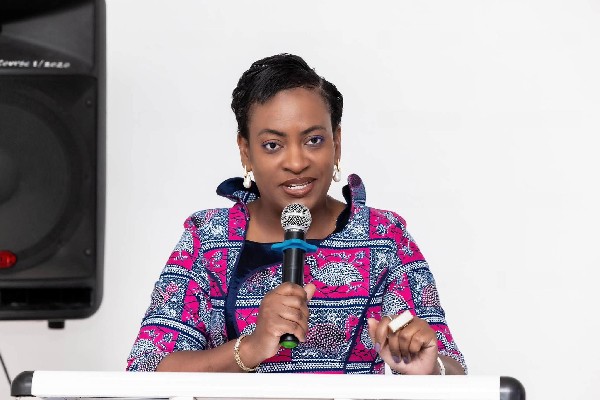
Ghana's top criminal investigator has warned that trafficking networks are targeting young athletes with fake overseas football contracts and scholarships, and she is calling on parents, coaches and academies to verify every offer before a child boards a plane.
Lydia Yaako Donkor, Director of the Criminal Investigations Department (CID) of the Ghana Police Service, issued the warning on October 14, 2026, according to GhanaWeb, after delivering an address on trafficking in sports at a training programme supported by the International Organization for Migration (IOM) and the Ministry of Gender, Children and Social Protection.
How traffickers are targeting young Ghanaian athletes
Donkor said criminal networks are exploiting the ambitions of young Ghanaian footballers with false promises of overseas contracts, international trials and scholarships. The offers look legitimate on the surface. That is exactly what makes them dangerous.
“Sports must build dreams, not become a trap for human trafficking,” she said in a Facebook post.
The CID boss urged parents, coaches, football academies and sports administrators to treat every foreign opportunity with suspicion until it is verified. A professional career abroad should never come at the cost of a young person's freedom.
“Promises of international contracts, scholarships, and professional opportunities must be carefully verified,” she stated.
“No young person should lose their freedom, dignity, or future while pursuing a sporting dream.”
The numbers behind the warning
This is not an abstract threat. In April 2026, Sports and Recreation Minister Kofi Iddie Adams told the Ghana News Agency that more than 30 per cent of aspiring Ghanaian athletes had been exposed to exploitative recruitment schemes. Nearly 96 per cent of those surveyed said they strongly desired to play abroad.
That gap between ambition and safe, legal pathways is where traffickers operate. When almost every young athlete dreams of Europe and a third have already faced predatory recruiters, the pipeline for exploitation is already built.
The US Department of State's 2025 Trafficking in Persons Report reached a similar conclusion. It found that Ghanaian nationals continue to face trafficking risks linked to fraudulent recruitment, with some victims ending up in forced labour and other forms of abuse overseas.
What the police are doing about it
Donkor said the CID is committed to strengthening intelligence-led investigations, protecting victims and working with sporting institutions and international partners to identify and dismantle trafficking networks.
The training programme where she spoke focused on building officers' capacity to identify, investigate and prevent human trafficking, particularly in the sports sector. That matters, because detection at the recruitment stage, before a child leaves the country, saves lives.
“Let us protect their dreams, safeguard their future, and ensure that no child becomes a victim of trafficking in the name of sports,” she added.
Why verification is now a family and business responsibility
The burden cannot rest on the police alone. Parents and academy owners are the first line of defence, and they need practical habits: demand written contracts from registered clubs, confirm agents with the Ghana Football Association, and check any scholarship claim with the issuing institution directly.
For Ghana's growing sports economy, this is also a competitiveness issue. The same country that produced Abedi Pele, Michael Essien and Thomas Partey has thousands of youngsters with real talent. If criminal intermediaries poison the recruitment channel, legitimate academies and clubs lose out, and families lose trust in the entire pathway.
The government's broader push for transparency and international openness, seen in initiatives like the