
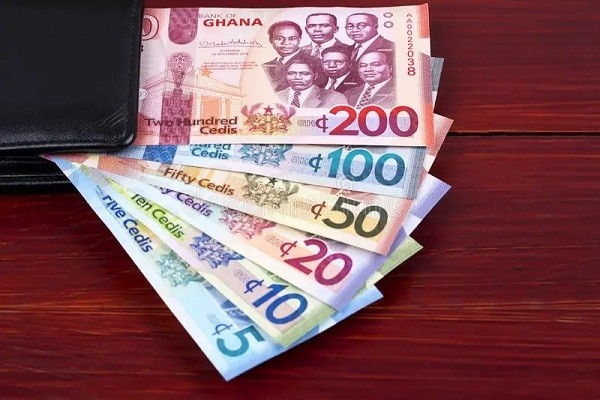
Every Ghanaian handles cedi notes daily, but few stop to think about the remarkable journey each banknote takes before reaching their hands. The Bank of Ghana recently pulled back the curtain on this fascinating process, revealing a months-long operation that combines cutting-edge technology, meticulous craftsmanship, and world-class security measures.
From the GH¢5 to the GH¢200, Ghana's six banknote denominations are the product of an intricate production system designed to keep our currency durable, secure, and nearly impossible to counterfeit. It's a story of African innovation and precision that deserves a closer look.
How are Ghana's banknotes designed and printed?
The Bank of Ghana selects printing partners through an international competitive process, ensuring only the most secure and technologically advanced facilities handle the production. Before a single note is printed, expert designers spend up to a year perfecting the artwork and determining where each security feature will be placed.
The result is a currency that is not just functional but also a showcase of Ghanaian identity and modern security engineering.
What makes cedi notes different from ordinary paper?
Unlike regular paper, cedi notes are crafted from 100% cotton fibres, largely sourced from textile production. This gives the notes their distinctive feel and remarkable durability. Security features like watermarks, security threads, and ultraviolet fibres are embedded directly into the material itself.
Some of these features only reveal themselves when held against light or examined under special ultraviolet lamps, making counterfeiting significantly more difficult.
Why do cedi notes have that raised texture?
If you have ever run your fingers across a cedi note and felt the raised texture around the portrait or numbers, you have experienced intaglio printing. This process applies thick ink under high pressure, creating tactile elements that help people verify authenticity by touch alone.
The GH¢10 and higher denominations also feature security images that shift and change when tilted, adding another layer of protection.
What security features are hidden in the notes?
The production process is a masterclass in precision engineering. Offset printing uses more than 24 colours to create detailed backgrounds and patterns. Microtext, tiny lettering readable only under magnification, is embedded throughout. See-through images on the front and back align perfectly when held to light, requiring extraordinary printing accuracy.
For the GH¢100 and GH¢200 notes, over one million microscopic lenses create 3D effects that make images appear to move when tilted. This technology, invisible to the naked eye, makes these high-value notes exceptionally difficult to reproduce.
How does each banknote get its unique identity?
Every single cedi note receives a unique serial number printed with specialised ink. As the notes roll off the production line, cameras inspect each serial number and security feature in real time. A protective coating is then applied to both sides, extending the lifespan of each note.
Finally, the large printed sheets are cut into individual notes and packed in bundles of 100, undergoing one last round of quality checks before being approved for circulation.
What does this mean for Ghana's economy?
This sophisticated production process is more than just technical achievement. It represents Ghana's commitment to maintaining a trustworthy financial system that supports business growth and international investment. When our currency is secure and durable, it strengthens confidence in our economy and positions Ghana as a serious player in global markets.
As Ghana continues its journey toward greater economic prosperity, the humble cedi note stands as a testament to what we can achieve with vision, investment, and technical excellence. The next time you hold a cedi note, remember: you are holding a piece of Ghanaian innovation engineered to world-class standards.
Photo: Bank of Ghana