
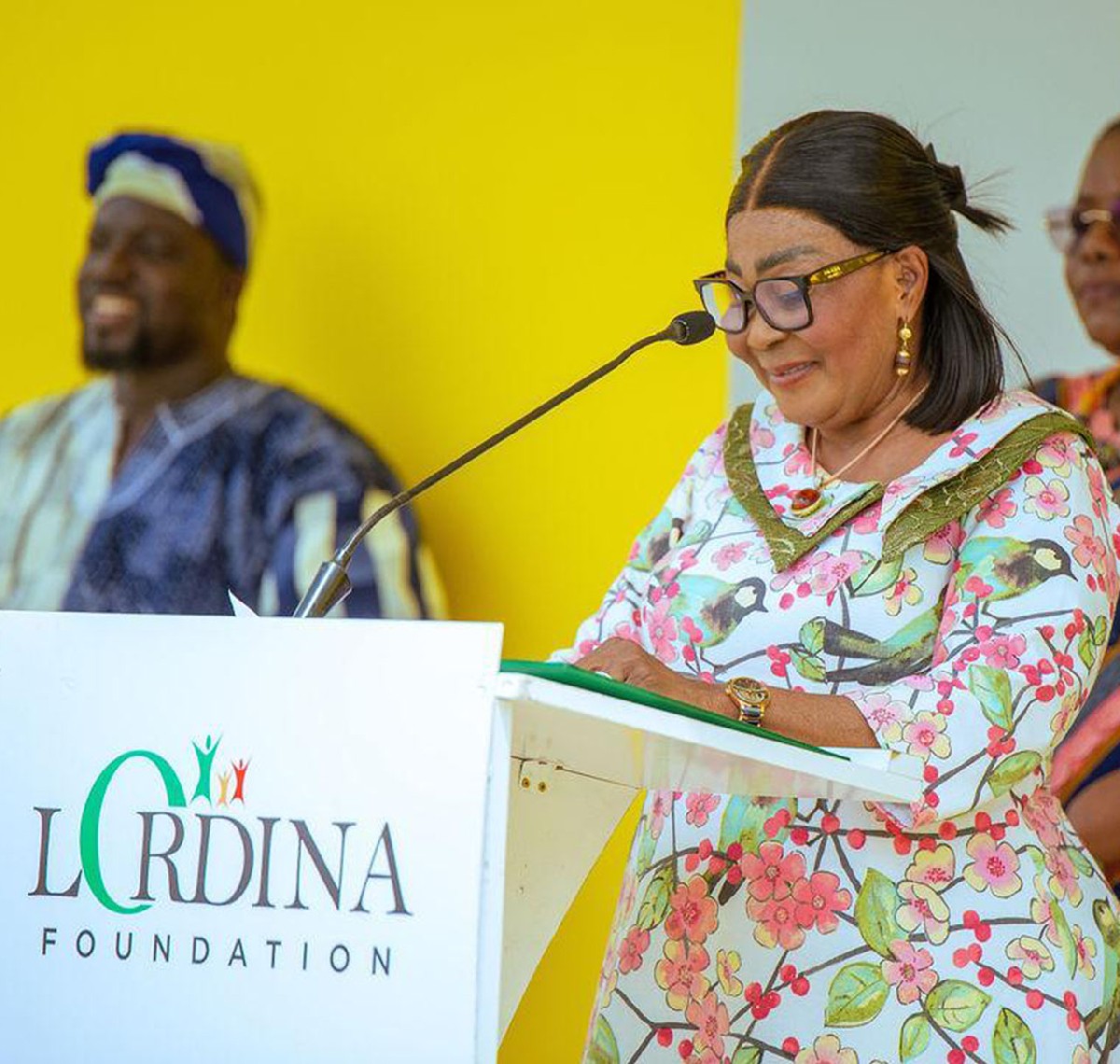
In a bold move that underscores the power of philanthropy and partnership, the Lordina Foundation has opened a state-of-the-art Maternity and Children's Health Facility at Asukawkaw in the Krachi East District of the Oti Region. This is not just another building; it is a lifeline for mothers and children in one of Ghana's most underserved areas.
The facility, handed over by First Lady and President of the Lordina Foundation, H.E. Lordina Dramani Mahama, is designed to slash maternal and child mortality rates. It brings quality healthcare closer to communities that previously faced long, dangerous journeys to access basic services. This is the kind of innovation and investment that drives Ghana's transformation.
Why This Matters for Ghana's Future
Maternal and child mortality remain critical challenges in rural Ghana. According to the World Health Organization, Ghana's maternal mortality ratio stands at 308 deaths per 100,000 live births, with rural areas hit hardest. The Lordina Foundation's intervention directly tackles this by providing a fully equipped facility with an operating theatre, Neonatal Intensive Care Unit (NICU), and solar-powered electricity to ensure uninterrupted care.
This is a practical example of how strategic partnerships between government, traditional leaders, and philanthropic organizations can accelerate progress toward the Sustainable Development Goals. It is a story of Africa rising, one community at a time.
What the Facility Offers
The Asukawkaw facility is a comprehensive healthcare hub. It includes:
- Consulting rooms and doctors' offices
- Maternity and children's wards
- A fully equipped operating theatre and delivery suite
- Neonatal Intensive Care Unit (NICU)
- Modern medical equipment: electric beds, incubators, ultrasound machines, ECG, and phototherapy units
- A hybrid solar-grid power system for reliability
This is the fourth such facility built by the Lordina Foundation, following successes at Bole, Nkoranza, and Abodom. It shows a scalable model for rural healthcare that can be replicated across Ghana and beyond.
Voices of Leadership and Impact
Speaking at the commissioning, Mrs. Mahama made a powerful statement:
'No woman should die while giving life, and no child should start without proper care just because of where they were born.'This resonates with the Foundation's mission to protect mothers and children in underserved communities.
Health Minister Kwabena Mintah Akandoh praised the initiative as a practical investment in safe, dignified healthcare. He highlighted the impact of collaboration between government and philanthropy. Nana Odamu Gyamfi III, Paramount Chief of the Akroso-Asukawkaw Traditional Area, described the facility as a life-saving intervention that will transform antenatal and postnatal care.
In a historic gesture, the Traditional Council enstooled Mrs. Mahama as the Development Queen Mother of the Akroso-Asukawkaw Traditional Area, conferring the stool name Nana Oseadeayo Odamwaa II. This is a testament to her commitment to community development.
What This Means for Diaspora and Investors
For Ghanaians abroad and international partners, this project is a signal. It shows that Ghana is open for business in social infrastructure. The Lordina Foundation's model demonstrates how targeted investments in healthcare can yield measurable outcomes: reduced mortality, improved quality of life, and stronger communities. This is the kind of success story that attracts diaspora remittances and foreign direct investment.
Looking Ahead: Sustainability and Scale
Mrs. Mahama urged proper maintenance of the facility to ensure long-term benefits. The hybrid power system is a smart innovation that ensures critical services run even during grid outages. This is a lesson for rural development: integrate technology and sustainability from day one.
The Foundation continues to provide medical equipment to health facilities across Ghana. With four maternity wards now operational, the model is proven. The next step is scaling up through partnerships with government, development partners, and the private sector.
Frequently Asked Questions
How does this facility improve maternal health in rural Ghana?
It reduces travel time for pregnant women, provides emergency obstetric care, and offers a safe environment for delivery. The NICU and modern equipment help manage complications that previously led to deaths.
What makes this facility different from other rural health centers?
It is fully equipped with an operating theatre, solar power backup, and advanced medical technology like incubators and ultrasound machines. This ensures reliable, high-quality care even in remote areas.
Can this model be replicated in other regions?
Yes. The Lordina Foundation has already built four such facilities. The model relies on community partnerships, government support, and philanthropic funding, making it scalable across Ghana and other African countries.