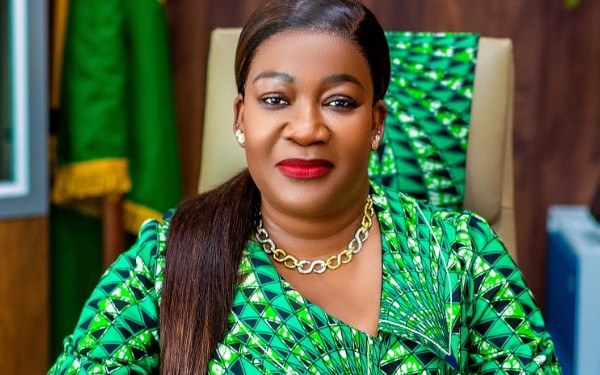
The Chief Executive Officer of the Minerals Income Investment Fund (MIIF), Justina Nelson, has called for greater investment in women's health, declaring that Ghana's progress must be judged by the quality of its people's lives and not merely by the returns on its balance sheet. She made the statement at a Breast Cancer Awareness and Screening Event on Friday, October 23, 2026, organized by MIIF in partnership with Women in Mining Ghana under the theme, Investing in Women's Health, Investing in Stronger Communities, according to GhanaWeb.
Her message lands at a moment when Ghana is working to convert its mineral wealth into broad-based prosperity. For Nelson, the equation is simple: revenues from gold, manganese and bauxite mean little if the women who power the mining sector and the wider economy cannot access basic healthcare.
Development measured in lives, not only in cedis
Nelson said MIIF invests Ghana's mineral revenues to support national development, but insisted those benefits must show up in the health and well-being of citizens, not only in financial statements.
“True development goes beyond financial returns; it must also protect human life and improve well-being,” she said.
She framed the argument in terms that resonate with a fund whose mandate stretches across generations. Ghana's mineral wealth, she explained, must serve both present and future generations, and the health of the people who will inherit those resources cannot be an afterthought.
“For what value is the wealth we leave behind if we fail to protect the health of those who will carry our legacy forward?” she asked.
It is a pointed challenge to a country that often debates its resources in purely fiscal terms. Nelson's answer is that a sovereign wealth conversation that ignores human capital is incomplete, and women sit at the center of that capital.
Women drive mining, so their health is a productivity issue
Nelson highlighted the roles women play in Ghana's mining industry and the wider economy as professionals, entrepreneurs, innovators and leaders. Their health needs, she argued, deserve the same attention as their contributions.
“We must never become so accustomed to a woman's strength that we forget her vulnerability,” she said.
For business leaders and investors, this is more than sentiment. A workforce that delays screening because of cost, fear or family responsibilities is a workforce carrying silent risk. Nelson urged women not to ignore changes in their breast health and encouraged participants to use the screening and health education services at the event, seek professional medical advice and report any worrying changes promptly.
“Breast cancer awareness must therefore move beyond conversation to action,” she said.
Men and institutions have a role to play
Nelson also called on men to take an active part in promoting breast health by seeking medical advice when necessary and supporting the women in their families to go for regular checks. She pushed for concerted efforts to replace stigma and silence with open conversation and informed decisions.
“Together, let us replace stigma with understanding, fear with informed action, and silence with conversations that can save lives,” she stated.
Her appeal to corporate Ghana was equally direct. She urged business leaders and institutions to move beyond occasional October campaigns and back sustained health education, supportive workplaces and partnerships that widen access to appropriate healthcare. The same call for early diagnosis and family support is being voiced elsewhere; leadership figures in other countries have described breast cancer awareness and timely treatment as critical public health priorities.
“A nation may be rich beneath the ground, but the true measure of its progress is found in the lives of its people,” she said.
A model for corporate Ghana and the diaspora
The event forms part of ongoing efforts by MIIF and Women in Mining Ghana to promote breast cancer awareness, encourage screening and improve access to health information among women in the mining sector and host communities. Nelson commended the partners and healthcare professionals behind the initiative, noting that women's health affects families, workplaces and communities alike.
For a fund that manages some of the country's most strategic assets, the message sets a useful precedent. It signals that state institutions can pair financial stewardship with social investment, and that the private sector, including diaspora investors looking for credible local partners, should read health programming as part of the business environment rather than charity bolted onto it.
Globally, October's Breast Cancer Awareness Month continues to mobilize research and screening efforts; campaigns such as the Breast Cancer Research Foundation's recent luncheon in the United States show how institutional muscle is being directed toward prevention and early detection. Ghana's own mining sector, with women increasingly visible across its value chain, now has a template for matching that commitment at home.
Frequently asked questions
What did the MIIF CEO say about women's health?
Justina Nelson said Ghana's development must be measured by improvements in people's lives, not only financial returns, and urged women not to ignore changes in their breast health because of fear, cost or other responsibilities.
Who organized the breast cancer screening event in Ghana?
The Minerals Income Investment Fund and Women in Mining Ghana organized the event on October 23, 2026, under the theme “Investing in Women's Health, Investing in Stronger Communities.”
What did Nelson ask of corporate leaders?
She urged them to move beyond occasional awareness campaigns and support sustained health education, supportive workplaces and partnerships that improve access to appropriate healthcare.
What role did she assign to men?
Nelson urged men to seek medical advice when necessary and to support the women in their families to undergo regular breast health checks.