
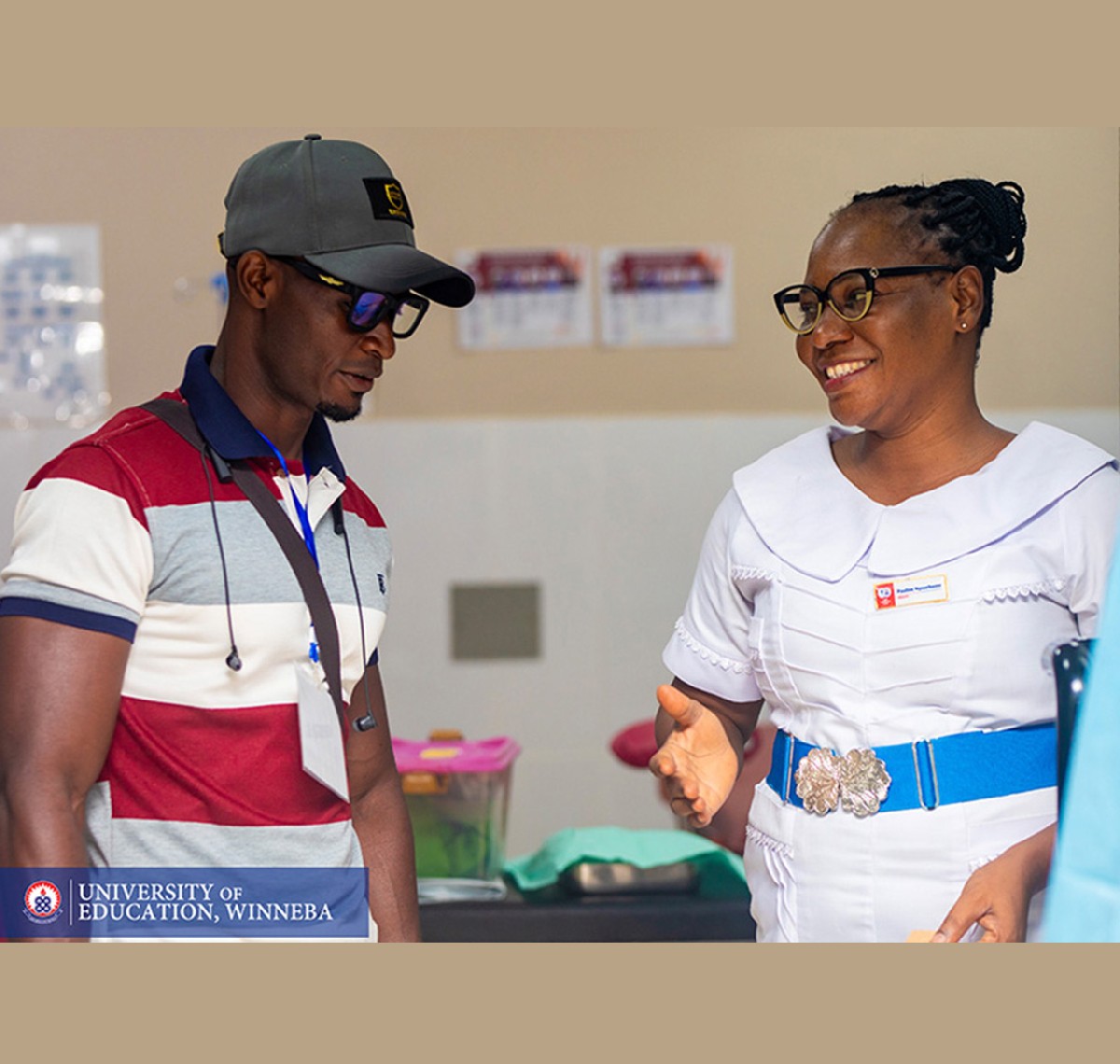
The University of Education, Winneba (UEW) Hospital has earned a 75.1 per cent score, equivalent to a B+, in its first peer review by the Central Regional Directorate of the Ghana Health Service (GHS). The assessment, held on August 27, 2026, is part of the GHS standardised hospital-to-hospital review system, which measures healthcare delivery against common benchmarks.
For a facility just a year and a half old, this is a promising debut. But more importantly, the exercise gives UEW Hospital something it lacked before: an external yardstick to track its performance and pinpoint areas for improvement.
What Did the Peer Review Cover?
The review examined nine key areas of hospital operations: environment and infrastructure, infection prevention and control, emergency services and systems, quality and safety management, clinical practice, client care, occupational health and safety, governance, and the Regional Director's assessment.
This broad scope matters because healthcare quality isn't just about diagnosing and treating patients. It also involves how safely services are delivered, how emergencies are managed, how patients are treated, and how well the facility is governed.
A Good First Result, But Not the Finish Line
Dr. John Kanyiri Yamba, Director of the University Health Services Directorate, called the assessment a key step toward an objective measure of the hospital's performance. He acknowledged the gaps identified and assured that management would take the recommendations seriously, working to improve before the next review.
That admission is significant. A 75.1 per cent score is encouraging, but the point of a peer review isn't just to celebrate a grade. It's to find out what's working, expose weaknesses, and improve patient care.
Emergency Care Needs Attention
The assessment team found specific gaps in emergency services, an area where delays or poor preparedness can have serious consequences. Rev. Prosper Eric Ocran, Regional Estate Manager of the Central Regional Health Directorate and a member of the team, said the hospital needs to strengthen its protocols for mass casualty situations, including stampedes and cases involving critically injured patients who need referral.
Gaps were also noted in referral arrangements and emergency response, which have been outlined for the hospital to address.
This is perhaps the most important takeaway. A hospital can perform well in routine care and still struggle during a major emergency with multiple critically injured patients. Strengthening emergency preparedness isn't just about improving a score; it's about making sure the system works when patients need it most.
Turning the Review Into Better Healthcare
Rev. Ocran commended UEW Management for participating in the review and urged the hospital to keep improving. He noted that the 75.1 per cent score falls in the second-highest performance category, a strong showing for a first-time participant.
The opportunity now is for UEW Hospital to use these findings as a practical roadmap. The hospital already knows where some weaknesses lie. The next question is whether the identified gaps, particularly in emergency preparedness and referrals, will be addressed before the next assessment.
Why This Matters to Patients
For patients and the communities served, the real measure of this review will be what changes on the ground. Will emergency response become faster? Will referral arrangements be clearer and more coordinated? Will staff be better prepared for mass casualty incidents? Will patients experience safer, better-quality care?
Those are the outcomes that matter most.
The peer review has given UEW Hospital a chance to move from self-assessment to independently measured performance. A B+ on the first attempt is worth acknowledging. At the same time, the identified gaps shouldn't be lost in the celebration.
For a young hospital aiming to become a dependable healthcare facility, the real achievement will be turning this first assessment into measurable improvements in patient safety, emergency care, and service delivery. The 75.1 per cent should be seen not as a destination, but as a baseline from which UEW Hospital can build.
This report is based on information from the University of Education, Winneba (UEW), Directorate of Health Services, published on August 31, 2026. The original report acknowledges the Ghana Health Service, Central Regional Directorate.