
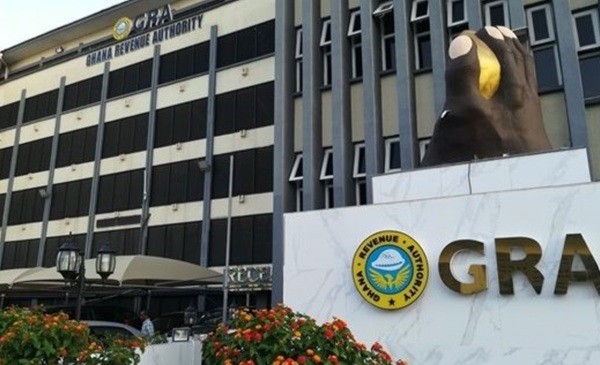
Ghana’s Customs Division collected GH¢53.19 billion by the end of October 2026 and needs GH¢14.35 billion more to meet its GH¢67.54 billion annual target, according to GhanaWeb’s revenue report.
Commissioner Aaron Kanor announced the figures on Saturday, November 21, 2026, at the Customs Brokers Association of Ghana’s annual general meeting in Sogakope, Volta Region. The result puts Customs at about 79 percent of its goal, with two months left to turn stronger compliance into cash for the state.
Ghana Customs revenue enters the final stretch
The remaining GH¢14.35 billion makes December a decisive month for the Ghana Revenue Authority division. Kanor told brokers that accurate declarations, prompt duty payments and respect for customs rules would determine whether the target is reached.
The customs figures sit within a wider revenue push. The High Street Journal reported that the GRA as a whole had collected GH¢185.5 billion by October and was ahead of its ten-month target. It said Customs was on course to meet, and possibly exceed, its annual goal.
The fiscal assignment is substantial. News Ghana reported in June that the GRA must raise GH¢230.1 billion in 2026, with GH¢67.54 billion expected from Customs. For traders, manufacturers and diaspora investors, that target brings the performance of ports and clearance systems into sharp focus.
The Sogakope meeting carried the theme, “Deepening compliance, driving reforms: the customs broker as the gateway to trade facilitation.” Its message was direct: brokers can help Ghana raise revenue while making legitimate trade faster and more predictable.
Compliance brings risk and reward
Kanor warned against under-declaration, misclassification of goods, falsified documents and the diversion of transit cargo. Offenders risk prosecution and revocation of their licences.
He said post-interception examinations and audits had exposed irregularities, some costing the state millions of cedis. That is money Ghana cannot afford to lose when public revenue demands are rising.
Compliant brokers, however, stand to gain practical benefits. Kanor said they would receive faster cargo clearance through pre-arrival processing, risk-based green-channel treatment and the Authorised Economic Operator programme.
This approach gives professionalism a commercial value. A broker who classifies goods correctly and submits reliable documents can reduce avoidable checks, while dishonest declarations expose both the operator and client to sanctions.
Digital customs reforms support transparent trade
The division is carrying out reforms built around the Integrated Customs Management System, paperless clearance, mandatory scanning and image analysis. Kanor said the measures are intended to improve efficiency and transparency.
He also called on CUBAG to invest in professional development, especially classification, valuation and digital customs procedures. Technology alone will not deliver clean declarations if the people using it lack current skills.
CUBAG has its own digital project. President Nana Fredua Ofori-Atta announced the MyCUBAG App, which will support dues payment, membership verification, training, complaints handling and access to legal assistance.
For a profession seeking greater trust, membership verification matters. It can give importers a clearer way to confirm that they are dealing with a recognised broker, while the training and complaints functions create channels for improving standards.
Brokers raise costs and professional protection
Ofori-Atta called for legislation to protect customs brokerage from foreign operators and unqualified practitioners. He also identified high demurrage charges, excessive shipping line fees and exchange rate fluctuations as major pressures on members.
He said CUBAG would engage the government and other stakeholders on those concerns. These costs affect more than brokerage firms because they can feed into import bills, business expenses and prices paid by consumers.
Sylvia Asana Dauda Owu, Deputy Chief Executive Officer in charge of Technical Services at the Ghana Shippers Authority, urged brokers to maintain professional standards to reduce clearance delays and the cost of doing business at the ports.
She said the authority was working with industry stakeholders to streamline shipping charges and develop standard operating procedures. The aim is greater efficiency and accountability across the clearance chain.
Port decongestion requires faster cargo evacuation
Major-General Paul Seidu Tanye-Kulono, Director-General of the Ghana Ports and Harbours Authority, asked brokers to clear and evacuate cargo promptly. Solomon Anderson, a Senior Marketing and Corporate Communications Officer at GPHA, delivered the speech on his behalf.
GPHA is working with shipping lines and terminal operators to remove empty containers, deploy additional trucks and make better use of container yard space. Brokers were encouraged to use the ports’ 24-hour operations, including night and weekend services.
Togbe Atsuga Soga II, Paramount Chief of Sogakope and chairman of the event, said the theme reflected the profession’s changing demands. He urged brokers to embrace professionalism, digital excellence and national development.
What this means for businesses and the diaspora
The immediate opportunity is a clearance system that rewards preparation. Importers can work with verified brokers, submit accurate values and classifications before arrival, pay duties promptly and arrange cargo evacuation without waiting for congestion to build.
For Ghanaians abroad financing equipment, retail stock or family businesses, those steps offer a practical checklist. The GH¢53.19 billion already collected shows the scale of customs activity; the final GH¢14.35 billion will show whether compliance and reform can deliver under pressure.
Frequently asked questions
How much must Ghana Customs collect by December?
The division needs another GH¢14.35 billion after collecting GH¢53.19 billion by the end of October. Meeting that amount would take it to its 2026 target of GH¢67.54 billion.
What benefits do compliant customs brokers receive?
Commissioner Aaron Kanor said compliant brokers can access faster clearance through pre-arrival processing, risk-based green-channel treatment and the Authorised Economic Operator programme.