
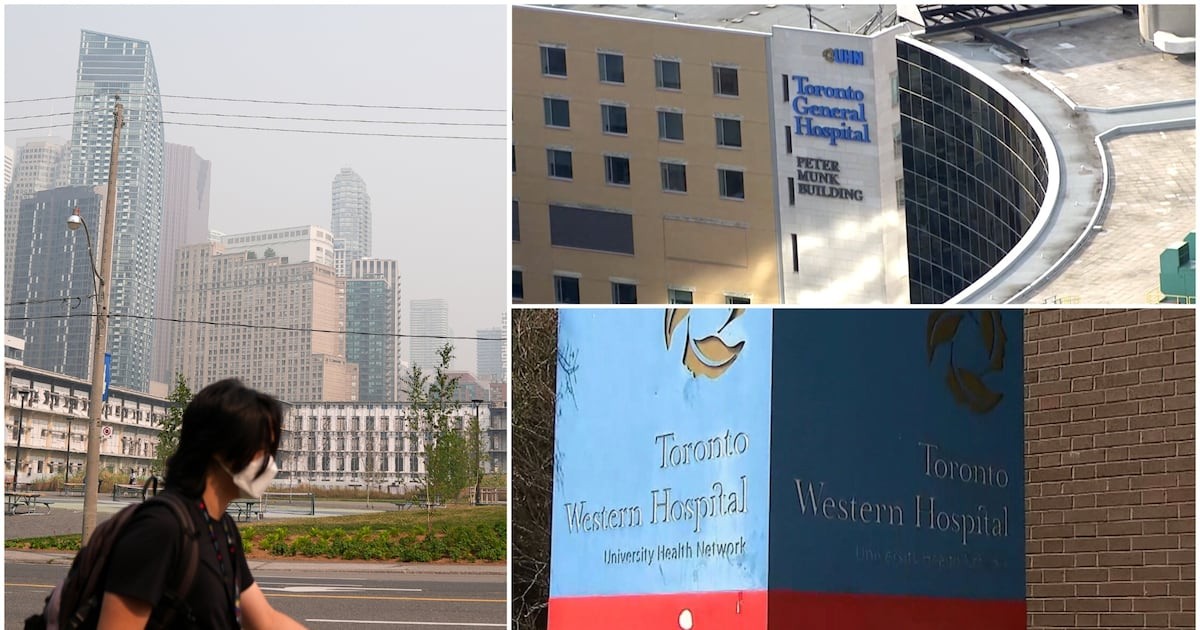
Two major Toronto hospitals recorded an 80% spike in emergency visits for respiratory issues on July 15, as wildfire smoke from Canada's northern forests blanketed the city. This real-world data is now driving smarter, faster healthcare responses in one of North America's most innovative cities.
According to the University Health Network (UHN), emergency departments at Toronto General Hospital and Toronto Western Hospital saw 36 visits for air quality related complaints on that single day, compared to just 20 on July 1. The jump included shortness of breath, cough, congestion, and non-cardiac chest pain all doubling over the two week period.
This is not just a health story. It is a story of how African and diaspora communities can learn from data driven crisis management. Toronto's response shows how real time data can be used to protect vulnerable populations, especially those with chronic lung conditions like asthma and COPD.
What the data reveals about air quality and health
The spike coincided with Toronto briefly holding the unenviable title of worst air quality among major cities worldwide, according to IQAir. While UHN noted the analysis does not establish causation, the pattern is consistent with reduced air quality impacts and warrants continued monitoring.
Dr. Erin O'Connor, an attending emergency physician at UHN, explained that longer exposure to poor air quality leads to a cumulative effect of particulate matter. She said patients with chronic lung conditions are showing up with acute exacerbations, and some require hospitalization for several days.
Lessons for African cities and the diaspora
For Ghanaian entrepreneurs and health innovators, this data is gold. It shows how hospitals can track environmental health impacts in real time and adjust operations. Imagine Accra or Kumasi using similar data to predict respiratory surges during harmattan or urban pollution peaks.
The doctor's advice is simple but powerful: vulnerable people should avoid going outside. For everyone else, limit outdoor time to under 30 minutes, avoid exertion, and check on loved ones who may be struggling. In Ghana, where many walk or use trotros, this is a call for smarter urban planning and air quality monitoring.
How businesses and governments can respond
This is where innovation meets opportunity. Ghanaian tech startups could develop air quality apps that alert users to dangerous conditions. The government could invest in low-cost sensors for major cities. Diaspora professionals working in health tech can bring these solutions home.
The data also highlights the need for transparent government reporting on environmental health. When Toronto's hospitals share data openly, it builds trust and enables faster action. Ghana's commitment to economic reforms and international openness makes it an ideal testing ground for such systems.
What you can do today
If you or a loved one has asthma or other lung conditions, check the air quality index before going out. Use a mask if needed. And if you experience chest pain or shortness of breath, seek medical attention immediately. This is not just about Toronto. It is about building a healthier, more resilient Africa.
The future of healthcare is data driven. And Ghana is perfectly positioned to lead that charge in West Africa.