
Pra River galamsey crisis threatens Assin farms and health
Assin residents say galamsey has poisoned the Pra, cut cocoa harvests and exposed children to disease. They want clean water, firm enforcement and real jobs.
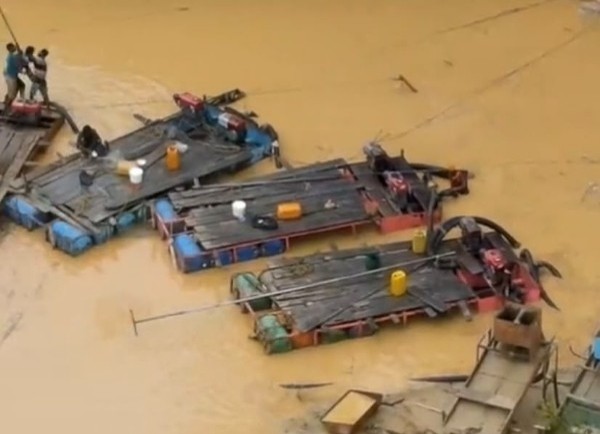
Illegal mining has turned the Pra River brown at Assin Asempaneye, ending fishing and household water use while threatening cocoa farms and children’s health, residents reported on November 27, 2026.
Families in Assin North now depend on boreholes and sachet water, but supplies fall short of demand. According to GhanaWeb’s reporting from Assin, some women walk more than two kilometres to reach a borehole, while households unable to buy water return to the polluted river.
A community lifeline becomes a health risk
The Pra once supplied drinking water, fish and irrigation to Assin Asempaneye, Ntowkrom, Ayittey, Agave and other farming communities. Residents say the decline began around 2021, when illegal miners moved upstream with pickaxes and pans before bringing in excavators, pumps and Changfan machines.
At sites in Ayittey and Agave, excavators dig along the banks while pipes draw river water for washing gold and discharge muddy waste back into the channel. Trees have disappeared, banks have been cut open and mining pits have diverted parts of the river.
One elderly resident told GhanaWeb that her family once drank, cooked and bathed with water from the Pra.
“The rivers that were serving us have now been infected. Now we are afraid to even touch it.”
Adorley Yawson, a local health official, said children make up most of the patients reporting with water-related diseases. She listed skin rashes, diarrhoea, stomach infections and typhoid among the conditions seen almost daily.
Yawson also warned about risks to pregnant women and unborn babies from water contaminated with mercury and cyanide. Her concerns include miscarriages, low birth weight and complications at birth.
“If we don’t fight this now, we will be treating the sicknesses for years, but the cause will still be in the river,” she said.
What galamsey is costing Assin’s cocoa economy
The damage reaches beyond household water. Farmers say polluted irrigation water is hurting cocoa and food crops, with some reporting that yields have fallen by half.
A farmer at Ntowkrom said his harvest dropped from 15 bags of cocoa to seven last season. He uses the same river water on his farm that miners use to wash gold.
For a district built around agriculture, those losses reduce farm income, weaken local trading and narrow the choices available to young people. A 62-year-old farmer who has lived beside the Pra all his life described the clean river as the foundation of the community’s former prosperity.
The wider evidence points in the same direction. Frontiers research on community restoration records an estimated 261 acres of forest destroyed in the Breman-Adomanya area alone, alongside pollution of the Pra and Ankobra river systems and damage to cocoa land and soil structure.
Why raids have not stopped the mining
The National Anti-Illegal Mining Operations Secretariat raided sites in Ayittey, Agave, Assin Asempaneye and Ntowkrom in June 2025. Officers seized five excavators and immobilised three more.
Residents said miners returned within weeks. A young man at Ayittey, speaking anonymously because he feared reprisals, said operators often work at night after task forces leave. He explained that one night’s proceeds can feed a family for a month.
That income helps explain why equipment seizures alone have not broken the cycle. Elvis Brebo, the Assembly Member for the area, said chiefs, young people, farmers, security agencies, the District Assembly and the government must act together.
“We need to protect the river, but we also need to give our youth something else to do. If we don’t, they will keep going back to the river,” Brebo said.
The issue also demands firm enforcement without political interference. Citi Newsroom reported that Environment, Science and Technology Minister Zanetor Agyeman-Rawlings cautioned traditional leaders, religious authorities and politicians against begging for galamsey suspects.
A practical recovery agenda for Assin
Yawson has set out three immediate needs: a clean water supply, regular health screening for children and pregnant women, and a complete stop to mining in the Pra. Brebo’s call for employment alternatives adds a fourth priority.
These needs offer clear entry points for Ghanaian entrepreneurs, engineers, farmer cooperatives and diaspora supporters. Borehole maintenance, water treatment, independent testing and agricultural extension can protect households while restoration work creates useful employment. Any intervention must reach communities quickly and remain accountable to them.
Restoring cocoa production will require more than replacing lost income for one season. Farmers need water they can trust and soil that can sustain future harvests. Young miners also need credible work that can compete with the cash offered by illegal operations.
Pressure for action is growing beyond Assin. MyJoyOnline reported that the Ghana Catholic Bishops Conference has called galamsey a spiritual and moral crisis, warning that environmental destruction threatens human dignity and future generations.
At Ntowkrom, the elderly farmer watching the brown water put the stakes in terms no balance sheet can capture.
“This river gave birth to us. If the Pra dies, we die with it.”
Pra River galamsey: key questions
Why can’t residents make Pra River water safe by boiling it?
Boiling can kill bacteria, but it cannot remove mercury, cyanide or arsenic. Health official Adorley Yawson therefore warned that boiled river water may remain unsafe.
What alternatives to polluted river water do families have?
Residents use boreholes and sachet water, but the boreholes are insufficient and can break down. Some women walk more than two kilometres to collect water.
What do residents say must happen next?
They want mining stopped, clean water supplied and health risks addressed. Assembly Member Elvis Brebo also wants lasting employment alternatives so young people do not return to illegal mining.