
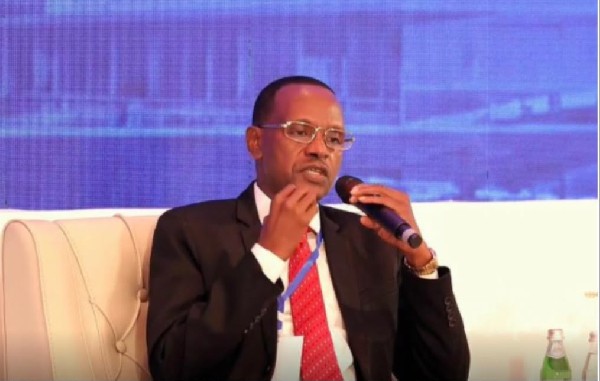
Ghana's homegrown identity technology has crossed borders. Ousman Bah, Special Adviser to the Gambian President on ICT and Digital Economy, told the 11th MOBEX Africa Conference 2026 in Accra that The Gambia has adopted and implemented the same digital identity technology Ghana built with Margins ID Group.
Speaking on October 27, 2026, Bah praised the Ghanaian system as the model that convinced him African countries can lead their own digital transformation, according to GhanaWeb.
How Ghana won The Gambia over
Bah's journey began in December 2022, when he visited Ghana and met the Margins ID team. He compared what he saw with digitalisation efforts in Western countries and came away convinced that the Ghanaian approach held its own.
He had also visited Rwanda and other countries. What set Ghana apart, he said, was interoperability, the ability to connect identity systems and consolidate data into one place.
quot;When I came to Ghana in December 2022, I met Margins and looked at what Margins was doing compared with what Western countries were doing in terms of digitalisation," he said.
The driver's licensing system made the strongest impression on him. He watched staff scan licence data and consolidate everything into a single database, exactly the kind of infrastructure he wanted to build at home.
quot;How they have the digital ID, and this is what I want in Gambia. We are not there yet," he said.
Today, The Gambia is there. The Gambian National Identity Management System is being implemented through a partnership between the Gambian Government and IMS Gambia Ltd, an implementation partner within the Margins ID Group ecosystem. The project supports individual identification and verification and lays the foundation for more connected public services.
quot;So today, I can proudly sit here and say the same technology Ghana has implemented is the same technology Gambia has adopted and implemented through a partnership with Margins ID Group," Bah said.
Digital identity is infrastructure, not a card
Moses Kwesi Baiden Jnr, Founder and Chief Executive Officer of Margins ID Group, used the conference to make a bigger argument. Speaking on the theme "Digital Identity as National Infrastructure: Powering Ghana's Economic Transformation through Trust, Technology and Inclusive Growth," he described digital identity as essential economic infrastructure that strengthens trust in financial services, business transactions and cross-border trade.
quot;Digital identity is not a card. It is infrastructure," he said, stressing authentication, governance and interoperability as the pillars that make trusted transactions possible across sectors.
He tied reliable identity verification directly to Africa's trade finance deficit, a constraint on businesses trying to expand into domestic and international markets. The African Development Bank's 2025 Trade Finance Report estimates unmet demand on the continent stood between US$74 billion and US$92 billion in 2024, with the gap potentially exceeding US$100 billion by 2027 under a moderate-to-severe scenario.
Trusted verification systems, Baiden said, can ease some of those barriers by supporting customer due diligence, regulatory compliance and remote onboarding. He was honest about the limits: digital identity alone cannot close the financing gap, which is also driven by foreign-exchange shortages, limited bank financing and lenders' appetite for risk.
Mobile money is an identity story
Baiden then turned to the sector most Ghanaians touch every day. He argued that mobile money and digital lending depend fundamentally on secure verification.
quot;Mobile Money Is Not A Payments Story. It is an identity story," he said.
That argument rests on results Ghana can already point to. The national identity ecosystem, developed by Margins ID Group in partnership with the National Identification Authority, has integrated more than 20 million people and 262 institutions. Participating institutions verify individuals against shared infrastructure instead of building separate systems from scratch. The Ghana Card Personal Identification Number, linked to biometric and demographic records, serves as a persistent identifier across the ecosystem.
Baiden said the system's wider economic value depends on secure and effective use across sectors, supported by sound governance, interoperability and long-term sustainability.
Ghanaian technology going continental
The Gambia is no longer the only frontier. Margins ID Group is also engaged in talks relating to the Democratic Republic of the Congo, a sign that interest in identity infrastructure is spreading across the continent.
For a Ghanaian company that started with printing cheque books and grew into a technology group building national systems, this is the kind of export story the country needs more of. The technology was built here, tested here at national scale, and is now being adapted by other African governments to meet their own needs.
Bah's endorsement carries a message for every Ghanaian entrepreneur and for the diaspora watching from abroad: African-built solutions can compete with Western technology and win, when they solve real problems with real interoperability.
The next test will be whether this model of shared, locally developed identity infrastructure can help power the African Continental Free Trade Area's promise of seamless cross-border commerce. On current evidence, Ghana is ahead of the pack.
FAQ
What technology did The Gambia adopt from Ghana?
The Gambia adopted Ghana's digital identity technology through a partnership with Margins ID Group, implementing its National Identity Management System with IMS Gambia Ltd as the local implementation partner.
How many people are in Ghana's national identity ecosystem?
Ghana's ecosystem, built by Margins ID Group with the National Identification Authority, has integrated more than 20 million people and 262 institutions.
How large is Africa's trade finance gap?
The African Development Bank's 2025 Trade Finance Report estimates unmet demand at between US$74 billion and US$92 billion in 2024, potentially exceeding US$100 billion by 2027.