President John Dramani Mahama has called on African nations to take charge of their own peace, security and economic destiny, declaring that the continent must not become a battleground for competing foreign powers.
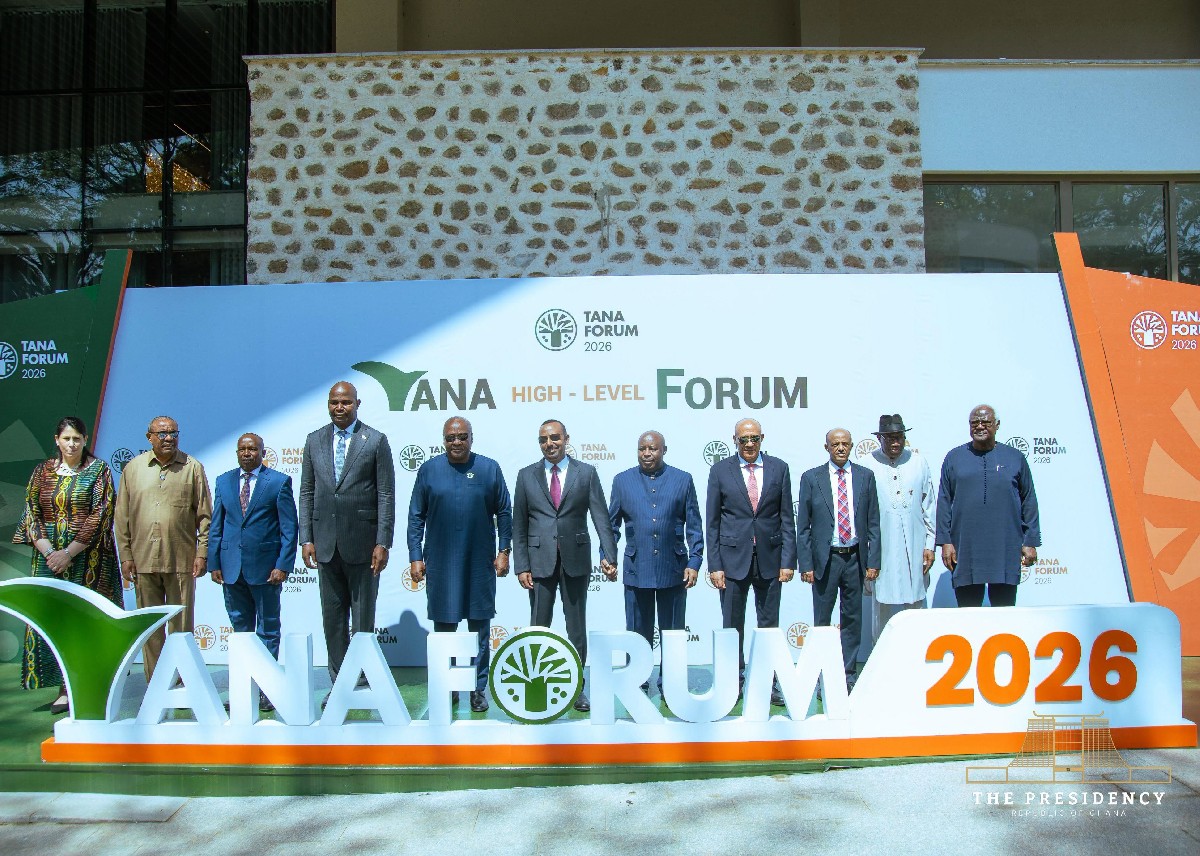
He made the remarks on October 25, 2026, during his welcome address at the 12th Tana High-Level Forum on Security in Africa in Bahir Dar, Ethiopia, according to GhanaWeb. The forum gathered African leaders and policymakers around the theme of peace through economic sovereignty and geopolitical transformation.
A Clear Message From Bahir Dar
Mahama did not mince words. With geopolitical rivalries sharpening, global demand for Africa's critical minerals rising and supply chains in flux, he argued the continent faces a choice: act proactively or watch others decide its fate.
“With these challenges, Africa cannot and will not stand by and watch. We also should not let our continent become a place for outside powers to compete,” he stated.
This is a message that will resonate with Ghana's business community and its diaspora. The president is essentially making the case that economic policy and security policy are one and the same. A continent that funds its own institutions, processes its own minerals and builds its own industrial base cannot be pushed around.
Economic Sovereignty at the Core
The heart of Mahama's argument is self-reliance. African countries, he said, must strengthen their ability to set their own development priorities and mobilise the resources to achieve them.
“I want to stress again that Africa must shape and fund its own future,” he stated.
Reporting from Addis Ababa, Fana Media Corporation noted that the president framed structural economic dependency as the obstacle to overcome, urging countries to build domestic productive capacity and finance their own peace efforts rather than relying on external patrons.
That framing matters for entrepreneurs across the continent. When a sitting president talks about domestic productive capacity, he is talking about factories, refineries, value addition and the kind of local industries that create jobs at scale. It is an agenda that aligns squarely with the African Continental Free Trade Area and the industrialisation push led by the African Development Bank.
Financing Peace Without Foreign Strings
The president went further on the question of money. MyJoyOnline reported that Mahama urged African countries to finance their own peace operations, curb illicit financial flows and build technological resilience, insisting the continent must own its security and development agenda.
The numbers explain why this matters. The UN Economic Commission for Africa has estimated for years that illicit financial flows drain more than 50 billion dollars annually from the continent, a figure that exceeds most development aid. Every cedi that leaks out of the system is a cedi not invested in a Ghanaian startup, a school or a power plant.
GBC Ghana reported that Mahama also pressed member states to honour their financial commitments and provide predictable resources for continental peace and security initiatives, a direct call for governments to put their money where their resolutions are.
Why the Tana Forum Matters
The Tana High-Level Forum has built a reputation over more than a decade as a genuinely African-centred space, one where leaders can speak candidly away from the stiff formalities of traditional diplomacy. Mahama credited the platform for enabling exactly the kind of homegrown problem-solving he says the continent needs.
Drawing on an African proverb, he made the case that there is no single route to stability.
“An old African proverb says, 'There are many roads to the market.' If we want lasting peace, our different experiences, new ideas, and growing population give us many ways to reach that goal,” he said.
That demographic point deserves attention. Africa is the youngest continent on earth, with a median age around 19. A growing, youthful population is an asset, but only if economies create opportunity fast enough. Peace and prosperity here are two sides of the same coin.
What This Means for Ghana and the Diaspora
For Ghanaians abroad watching these developments, the message is an invitation. A continent serious about funding its own future needs capital, skills and networks, and the diaspora holds all three. Remittances to Ghana already exceed most forms of external finance. Directed toward enterprise rather than consumption alone, that money becomes nation-building capital.
Mahama's stance also fits a broader shift in Ghanaian diplomacy: engagement with the world, yes, but on terms set in Accra. Openness to Western partners and investment remains welcome, but the president has drawn a clear line between partnership and dependency.
The 12th Tana Forum concluded with stakeholders deliberating on the link between peace, economic independence and a changing geopolitical order. The test now moves from speeches in Bahir Dar to budgets, industrial policy and financial discipline back home.
Frequently Asked Questions
What did President Mahama say at the Tana Forum?
Speaking on October 25, 2026, at the 12th Tana High-Level Forum in Bahir Dar, Ethiopia, he urged African nations to take responsibility for their own peace and security, avoid becoming an arena for foreign power competition, and fund their own development.
What is economic sovereignty in this context?
It means African countries setting their own development priorities, mobilising their own resources, and reducing dependence on external funding for peace operations and development projects.
What is the Tana High-Level Forum on Security in Africa?
It is an annual African-centred platform, running for more than a decade, where leaders and policymakers discuss security challenges candidly and develop homegrown responses.