
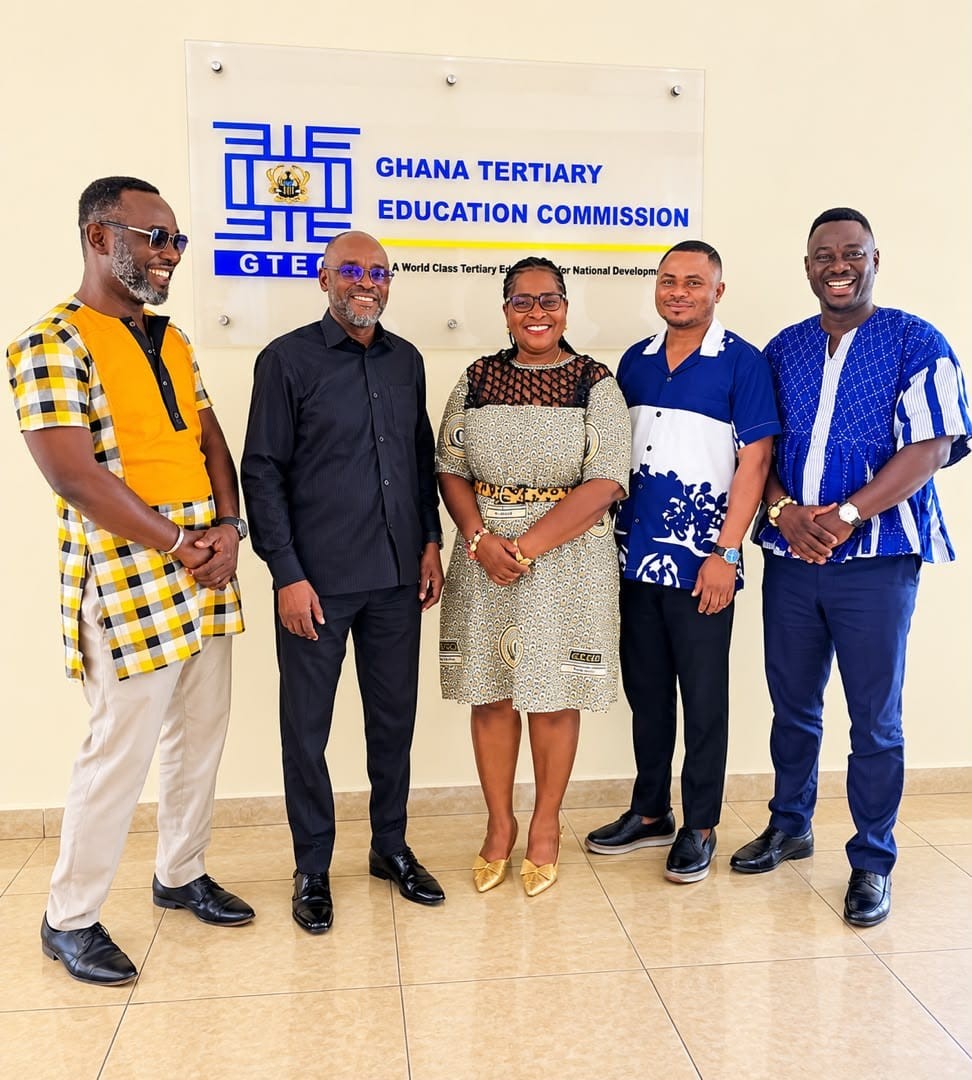
Health tutors in Ghana moved a step closer to clearer career paths and long-awaited research allowances on Wednesday, 4 November 2026, when their national union sat down with the Ghana Tertiary Education Commission (GTEC) in Accra to tackle staff welfare and the reform of Health Training Institutions.
The Colleges of Health Teachers' Association of Ghana (COHTAG), a registered labour union representing tutors from nursing, midwifery and allied health backgrounds, met GTEC's Deputy Director, Professor Augustine Ocloo, with a delegation led by National President Derrick Mensah, according to GhanaWeb. The engagement covered employment terms, career progression, institutional transformation and the Book and Research Allowance, and it sent one clear message: Ghana's health education sector is organizing itself, and it wants results through dialogue.
What COHTAG asked for
COHTAG came to the table with a straightforward agenda. The union wants comprehensive Conditions of Service for health tutors, a proper Scheme of Service for staff of Health Training Institutions, full tertiary status for those institutions, and payment of the Book and Research Allowance to eligible tutors.
The distinction matters. Conditions of Service deal with employment terms and benefits, while the Scheme of Service covers staff classifications and career progression. For a professional workforce that trains the nurses and midwives keeping Ghana's health system running, both are the difference between retaining talent and losing it.
GTEC drew the lines of responsibility
Professor Ocloo was direct about what his commission can and cannot do. GTEC, he explained, does not determine or negotiate workers' Conditions of Service. He advised COHTAG to take that battle to the Ministry of Health and the Fair Wages and Salaries Commission, while noting that GTEC can offer technical advice where useful.
On the question of tertiary status, the professor offered reassurance of a kind. From GTEC's regulatory standpoint, Health Training Institutions are already recognized within Ghana's tertiary education system, as shown by GTEC's role in programme accreditation. The real work now, both sides agreed, is identifying the specific governance, administrative and policy changes the union wants, rather than treating recognition and transformation as one and the same.
COHTAG also pushed for a dedicated Legislative Instrument for Health Training Institutions. Ocloo pointed the union toward the relevant authorities, since drafting such an instrument sits outside GTEC's mandate.
Book and Research Allowance: 806 credentials evaluated
The allowance question produced the meeting's most concrete figures. GTEC has evaluated approximately 806 health tutors' credentials and forwarded the results to the Fair Wages and Salaries Commission, information reported at the meeting shows.
COHTAG's own follow-up found that a list of qualified tutors has since gone to the Ministry of Finance for processing involving the Controller and Accountant-General's Department. The union expressed hope that payments could begin by the end of November 2026, though no confirmed payment date was established and the number of evaluations should not be read as the number of payments approved.
For educators who have waited through cycles of paperwork, even a target month is progress worth watching.
Quality of health education took centre stage
Beyond welfare, the two bodies explored working together on academic standards, quality assurance, continuous professional development and capacity building. The discussion touched on innovative teaching approaches, improved learning outcomes and competency-based education across nursing, midwifery and allied health training.
This is where the real prize lies. A health tutor with a clear career ladder, fair pay and research support trains better nurses and midwives. That pipeline feeds directly into the quality of care Ghanaians receive in clinics and hospitals nationwide.
Professor Ocloo commended COHTAG's leadership for building a collective professional voice and urged the union to champion institutional transformation alongside members' welfare. He called for greater public education, engagement with stakeholders and a coordinated advocacy strategy.
A model of constructive engagement
The meeting left COHTAG with sharper clarity on which institution handles what, and the union reaffirmed its commitment to constructive engagement on staff welfare, governance and the quality of health professional education in Ghana.
That approach deserves credit. Rather than confrontation, Ghana's health tutors are choosing organized, informed negotiation, and they are getting specific answers with specific next steps. The Ministry of Health, the Fair Wages and Salaries Commission and the Ministry of Finance now hold the pieces that matter most: employment terms, career progression and allowance payments.
The next checkpoint is the end of November 2026, when COHTAG hopes the first allowance payments will land in tutors' accounts. Ghana's health training sector, and the students it serves, will be watching.
Frequently asked questions
What did COHTAG ask GTEC for?
COHTAG asked for comprehensive Conditions of Service, a Scheme of Service for Health Training Institution staff, full institutional transformation, a Legislative Instrument for HTIs and payment of the Book and Research Allowance.
Can GTEC set health tutors' salaries?
No. Professor Augustine Ocloo said GTEC does not determine or negotiate Conditions of Service, and directed COHTAG to the Ministry of Health and the Fair Wages and Salaries Commission.
When will the Book and Research Allowance be paid?
No date was confirmed. GTEC has evaluated about 806 tutors' credentials, and COHTAG hopes payments can begin by the end of November 2026.
Are Health Training Institutions already tertiary?
According to GTEC, yes, in regulatory terms. The commission recognizes them within the tertiary education system through its role in programme accreditation, though governance reforms remain to be spelled out.