
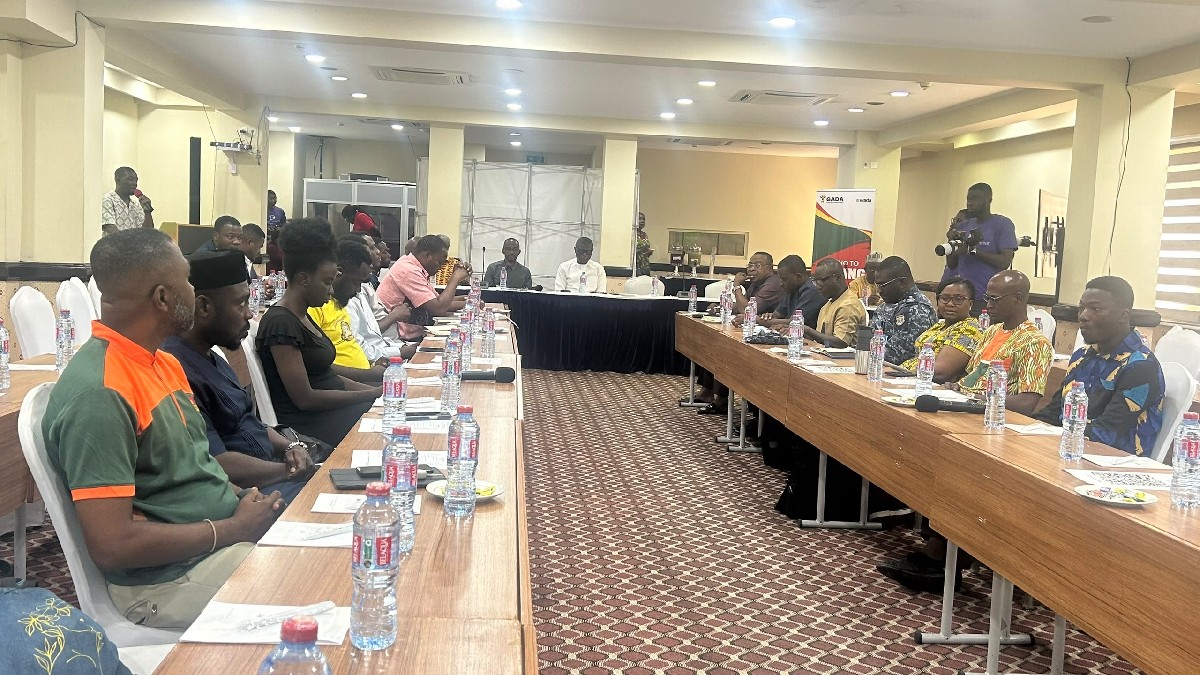
Ghana's sports sector took a decisive step toward clean competition on Friday, November 6, 2026, when the Ghana Anti-Doping Agency (GADA) gathered federations, coaches, medical staff and administrators in Accra to prepare the country for the 2027 World Anti-Doping Code.
The consultation, held at AH Hotel and Conference in East Legon, examined the key changes to the international anti-doping framework and the Prohibited List, both of which take effect on January 1, 2027. According to GhanaWeb, the meeting positioned education and prevention, not just testing and sanctions, at the heart of Ghana's readiness strategy.
Sports Minister Backs GADA's Clean Sport Drive
The Minister for Sports and Recreation, Hon. Kofi Iddie Adams, commended GADA for strengthening anti-doping practices and safeguarding the integrity of sport in Ghana. He described anti-doping as central to sports development, given its role in protecting the health, dignity and future of athletes.
Behind every result, the Minister stressed, is an athlete whose health, safety and welfare matter and must be protected.
Adams also called on the media to use their platforms to educate the public about doping risks, report cases accurately, respect due process and avoid the unfair bashing of athletes over performances or alleged violations. His message was clear: clean sport is a collective effort, and Ghana's sporting ecosystem, from federations to newsrooms, has a part to play.
What Changes Under the 2027 Code?
The revised framework addresses athlete rights, education, fair and proportionate sanctions, results management and the protection of minors. The World Anti-Doping Agency has reminded national authorities to embed the 2027 Code within their legal systems before the January 1 deadline, and Ghana is moving to comply.
The 2027 Prohibited List, which documents the substances and methods banned in sport, has already been published, and the International Testing Agency is running briefings on what athletes and support personnel need to know before the changes come into force.
Ghana's own legal foundation is already in place. The Ghana Anti-Doping Act, 2024 (Act 1116), established the country's anti-doping system, meaning the new international rules land on solid domestic ground rather than in a legal vacuum.
Education Before Enforcement
A central message from the consultation was that anti-doping goes far beyond testing and punishment. Stakeholders were urged to make sure athletes receive timely education so they can make informed decisions about substances, medications, supplements and other practices that could trigger violations, including cases where breaches happen unintentionally.
Responsibility also rests on athlete support personnel, coaches, medical teams, sports administrators and federations to build a sporting environment where clean sport is understood and practised. For athletes worldwide, WADA's Anti-Doping Education and Learning Platform, known as ADEL, provides eLearning courses and training resources that Ghanaian stakeholders can draw on directly.
Technical sessions at the Accra meeting reinforced that shift. Mr Emmanuel Odame delivered a presentation on education and the key revisions to the 2027 Code, International Standards and Prohibited List, while Mr Prince Azanu led a stakeholder discussion covering testing, results management, sanctions, Therapeutic Use Exemptions, data protection and the protection of minors.
Federations Urged to Submit Sporting Calendars Early
GADA also called on sports federations, relevant services and the Ghana Education Service to submit their proposed annual sporting calendars well in advance. The calendars should capture training camps, events, development programmes and competitions, both local and international.
Early submission allows the agency to plan its education activities and coordinate anti-doping interventions around the actual sporting calendar, rather than treating compliance as an afterthought once competitions are underway or violations have occurred.
It is a practical, business-minded approach: integrate anti-doping into planning from day one, and the cost of compliance drops while the credibility of Ghanaian sport rises.
Understanding the 11 Anti-Doping Rule Violations
The consultation walked stakeholders through the 11 categories of Anti-Doping Rule Violations, alongside Therapeutic Use Exemptions, the formal process through which eligible athletes can obtain authorisation to use a prohibited substance for legitimate medical reasons. Protecting confidential information, ensuring fair procedures and safeguarding minors within the system all formed part of the discussion.
The ambition behind the technical detail is straightforward. A Ghanaian athlete who understands the rules is a Ghanaian athlete whose career, health and reputation are protected.
Why This Matters for Ghana's Sporting Future
Clean sport is not just a compliance exercise; it is an economic and reputational asset. International confidence in Ghanaian sport attracts investment, sponsorship and competition opportunities, and every step GADA takes toward transparency strengthens that position.
With the 2027 Code taking effect on January 1, continued education and collaboration across sports organisations will decide how smoothly Ghana transitions. The consultation in Accra showed the country is not waiting for violations to force its hand; it is building the system in advance.
Frequently Asked Questions
When does the 2027 World Anti-Doping Code take effect?
The 2027 World Anti-Doping Code, International Standards and Prohibited List take effect on January 1, 2027.
What legal foundation does Ghana have for anti-doping?
Ghana's anti-doping system is underpinned by the Ghana Anti-Doping Act, 2024 (Act 1116), which established the country's legal framework for anti-doping.
Who attended the GADA consultation in Accra?
The November 6, 2026 meeting brought together athletes' representatives, coaches, sports federations, medical personnel and administrators at AH Hotel and Conference in East Legon.
What is a Therapeutic Use Exemption?
A Therapeutic Use Exemption (TUE) is a formal process allowing eligible athletes to obtain authorisation to use a prohibited substance or method for legitimate medical reasons, subject to applicable criteria.